Visual Harmony: Coordinating Colors for a Balanced Home Aesthetic Nov 23, 2026
Understanding Color Basics
To start your journey towards a harmonious home, it is crucial to understand the color wheel. This tool is fundamental in determining which colors complement each other. Primary colors are red, blue, and yellow, from which all other colors are derived. Secondary colors are a mix of the primary colors, while tertiary colors result from mixing both primary and secondary hues. Known for providing balance, complementary colors are directly opposite each other on the color wheel. For a monochromatic palette, consider using variations of one color for a subtle, sophisticated look.
Balancing Warm and Cool Tones
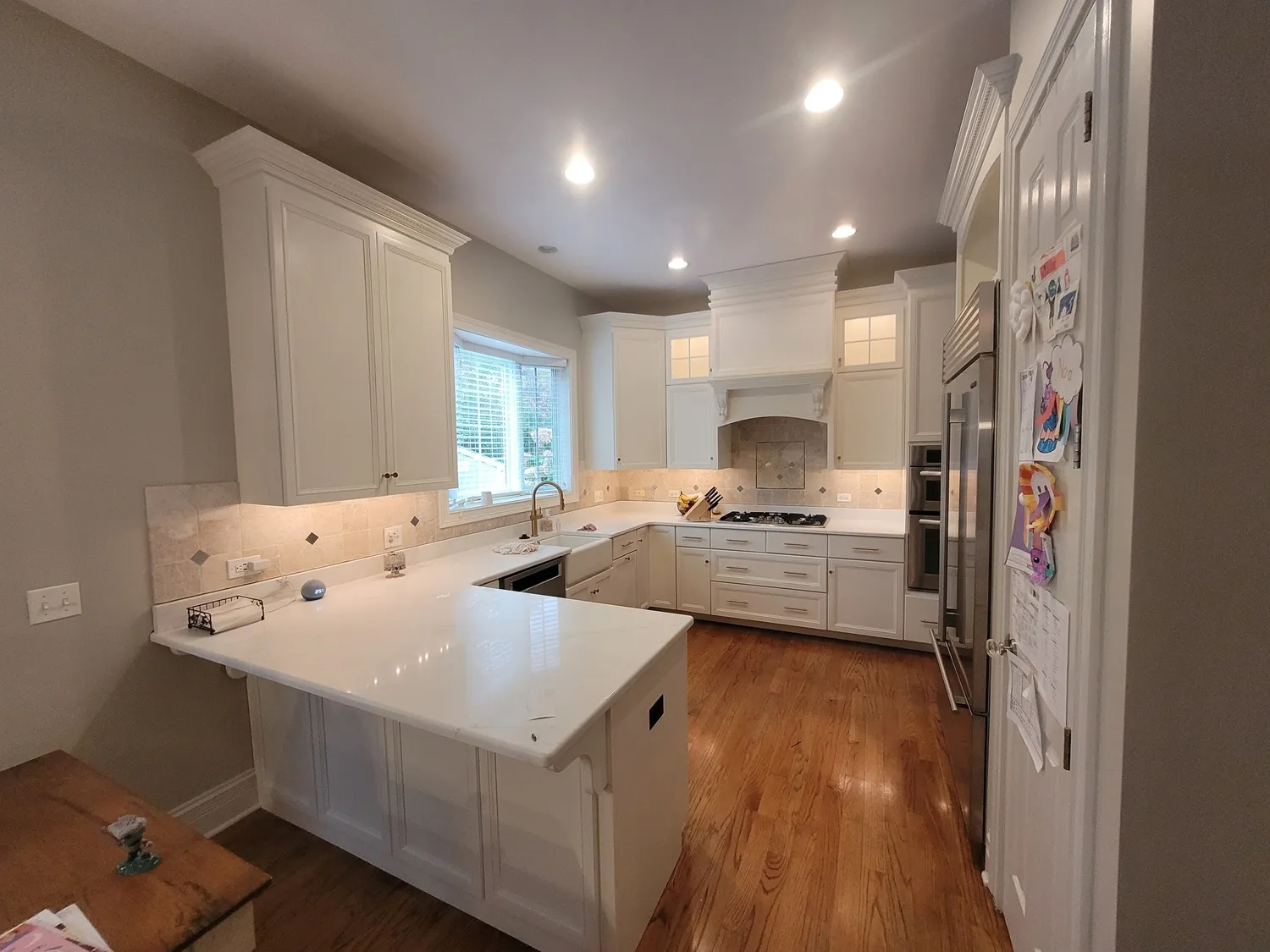
Striking a balance between warm and cool tones can significantly enhance your home's vibe. Warm colors such as shades of red, orange, and yellow evoke warmth and energy. These are perfect for social spaces like the living room or kitchen. Conversely, cool colors such as blues and greens exude calmness, making them ideal for restful spaces like bedrooms or bathrooms. Eagle Five Stars Painting recommends integrating both these tones for a balanced and inviting feel throughout your home.
Creating Cohesive Transition Spaces
Consider how colors transition from one room to the next. Cohesive transitions prevent jarring shifts in tone and style. One effective strategy is to use a dominant color in one room as an accent in the adjoining space. This technique ensures that while each room has its unique identity, the overall flow remains unified. Neutral colors can serve as a great bridge between contrasting palettes, providing a seamless visual transition.
Embrace Accent Walls
Accent walls are an excellent way to introduce vibrant color without overwhelming the entire space. By focusing on just one wall, you can experiment with bold hues or intricate patterns that reflect your personal style. Not only do they provide a striking contrast, but they also add depth and dimension to the room. Let our experts at Eagle Five Stars Painting guide you in selecting and applying the perfect shades for your accent wall.
Integrate Textures and Patterns
Incorporating different textures and patterns is another way to achieve balance and harmony. Textured surfaces such as wood, stone, or brick can add depth and interest when paired with painted walls. Similarly, patterns such as stripes or geometric designs can introduce movement and energy. When used thoughtfully, these elements can enhance the overall color scheme and create a dynamic visual experience.
Conclusion
Creating a balanced home aesthetic through coordinated colors is an art that requires careful consideration and creativity. Whether you're aiming for tranquility, vibrancy, or elegance, Eagle Five Stars Painting is here to assist in bringing your vision to life. By understanding the basics of color harmony, balancing tones, ensuring smooth transitions, experimenting with accent walls, and integrating textures, your home can become a harmonious retreat that reflects your unique style. For expert advice and professional painting services, trust Eagle Five Stars Painting to transform your space into art.